

The Difficulties Farmers Face in India: A Call for Help
Introduction:
I am Swapnil Ingale as a social worker in Nashik, India, and I want to talk about the problems that farmers in our country are facing. Farmers play a crucial role in our economy by working hard to feed the nation. However, they face many challenges such as debts, unpredictable weather, and insufficient support from the government. In this article, we will explore these problems and emphasize the urgent need for solutions.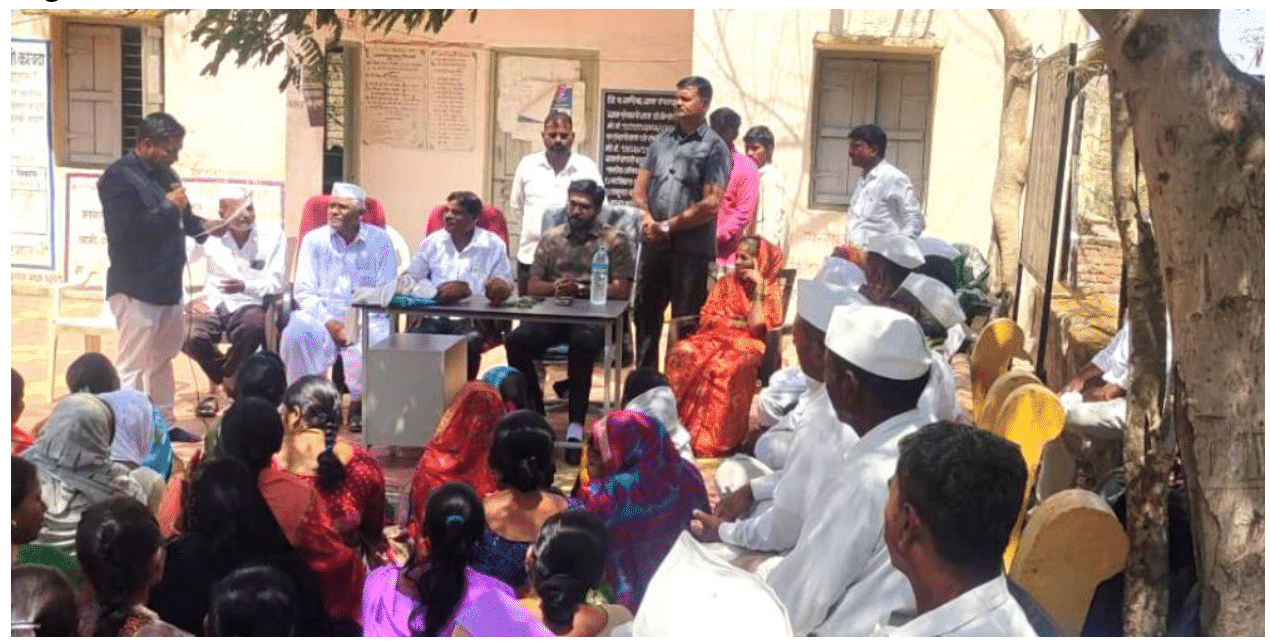
The Growing Debt Crisis
Indian farmers have a big problem with debt. They have to spend a lot of money on things like seeds, fertilizers, pesticides, and machinery, but the prices of these things keep going up. At the same time, the prices farmers get for their crops can change a lot. This makes it hard for them to make enough money to pay back their loans. Banks often have strict rules for giving loans, so many small farmers can't get the money they need. As a result, they have to borrow from informal sources like moneylenders who charge very high-interest rates. This puts farmers in even more debt.
Vulnerability to Bad Weather
Farmers in India face a big problem with the weather. Sometimes there is not enough rain, or there are long periods of drought. Other times, there is too much rain at the wrong time. All of this makes it hard for farmers to grow their crops successfully. Climate change is making things even worse, with higher temperatures and changing rainfall patterns. Many farmers don't have access to modern irrigation systems, and they struggle to manage water effectively, especially in areas prone to drought.
Unfair Prices for Crops:
Farmers often get cheated when it comes to selling their crops. Middlemen take advantage of them by setting low prices and controlling the market. There is no strong system to ensure that farmers get fair prices for their hard work. The government has tried to help by setting minimum support prices (MSPs) for some crops, but these measures are limited and don't cover all the different types of crops.
Lack of Supportive Infrastructure:
Farmers in India don't have enough support in terms of infrastructure. There are not enough storage facilities and places to keep their crops after harvesting. This leads to a lot of wastage and loss of income. Transportation is also a problem, as many farmers struggle to find affordable and timely ways to get their crops to the markets where they can sell them for better prices. Investing in better storage facilities, transportation networks, and rural roads can make a big difference for farmers.
Need for Sustainable Solutions:
I think we have to help Indian farmers, we need long-term solutions that are sustainable. The government should focus on:
1. Making it easier for farmers to get loans and providing them with crop insurance to protect them from debt. I made the farmers aware of the scheme Pradhan Mantri Krishi Sinchayee Yojana (PMKSY), Crop Insurance Scheme, and PM Kusum Yojana.
2. Encouraging farmers to use practices that are better for the environment and can handle the changing weather, like organic farming and using crops that can survive droughts.
3. Making sure farmers get fair prices for their crops by improving the system for setting prices and connecting them directly to the markets.
4. Investing in better infrastructure, like storage facilities and transportation networks, to reduce wastage and help farmers access more markets.
Conclusion:
I have found problems faced by Indian farmers are serious and need attention from everyone, including the government, NGOs, and society as a whole. We need to recognize the important role that farmers play and work together to find solutions. By supporting our farmers and implementing sustainable measures, we can ensure a brighter future for them and our agricultural sector. It's time to join forces and give our farmers the help they need.